
Articles by Catherine Wagley
Looking at Los Angeles
The Architect, the Artist, and the House That’s Become a Star
Looking at Los Angeles
The Architect, the Artist, and the House That’s Become a Star
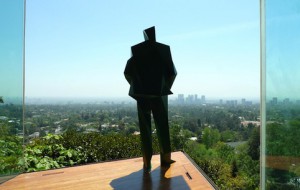
Catherine Wagley visits the famous Sheats-Goldstein House and considers the pop culture present of this fifty-year-old residence by architect John Lautner.

Looking at Los Angeles
Looking at Los Angeles | Being Difficult
Looking at Los Angeles
Looking at Los Angeles | Being Difficult
Llyn Foulkes “has never had nor seemed to want any conceptual smoothness.” Columnist Catherine Wagley on the maverick artist’s retrospective exhibition at the Hammer Museum.
Looking at Los Angeles
Looking at Los Angeles | Truth and Illusion, Pigeons and Freeways
Looking at Los Angeles
Looking at Los Angeles | Truth and Illusion, Pigeons and Freeways
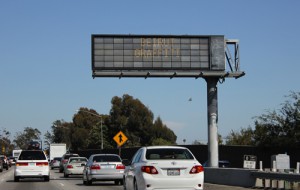
Catherine Wagley details an L.A. artist’s Quixotic efforts to hack freeway signs using homing pigeons. But was any of it for real?
Looking at Los Angeles
Looking at Los Angeles | I Already Know I Exist: Ken Price at LACMA
Looking at Los Angeles
Looking at Los Angeles | I Already Know I Exist: Ken Price at LACMA
Catherine Wagley considers the role that personal biography plays–or doesn’t–in LACMA’s newly-opened “Ken Price Sculpture: A Retrospective.”

Looking at Los Angeles
Looking at Los Angeles | Anna Piaggi and the Summer One-Off
Looking at Los Angeles
Looking at Los Angeles | Anna Piaggi and the Summer One-Off
The writer and fashion icon Anna Piaggi, who died this week at 81, serves as a reminder that in art, as life, one-off gestures are often the most memorable ones.
Looking at Los Angeles
Looking at Los Angeles | The MOCA Debacle: What Does ‘Visually Stimulating’ Even Mean?
Looking at Los Angeles
Looking at Los Angeles | The MOCA Debacle: What Does ‘Visually Stimulating’ Even Mean?
Catherine Wagley on Paul Schimmel’s controversial departure from the Museum of Contemporary Art Los Angeles.
Looking at Los Angeles
Looking at Los Angeles | Anything but the Kitchen Sink
Looking at Los Angeles
Looking at Los Angeles | Anything but the Kitchen Sink
Catherine Wagley muses on family, history, and the relation of both in artworks by Patricia Fernandez and Kenyatta A.C. Hinkle in the Los Angeles Biennial.

Looking at Los Angeles
Looking at Los Angeles | And the Money Came Rolling In . . . Or Not
Looking at Los Angeles
Looking at Los Angeles | And the Money Came Rolling In . . . Or Not
When the display of a luxury car leads Catherine Wagley to mistake a performance festival for a fundraiser, the slippery relations between art and commerce become clear.

Looking at Los Angeles
Looking at Los Angeles | The Painter of Light is Radically Not Me
Looking at Los Angeles
Looking at Los Angeles | The Painter of Light is Radically Not Me
Catherine Wagley reflects on the passing of Thomas Kinkade, the infamously popular “Painter of Light” who pushed the idea of coziness to mind-numbing extremes.
Looking at Los Angeles
Looking at Los Angeles | A Wonderland That Wasn’t Meant to Be
Looking at Los Angeles
Looking at Los Angeles | A Wonderland That Wasn’t Meant to Be
Catherine Wagley reviews the group show “In Wonderland: The Surrealist Adventures of Women Artists in Mexico and the United States” on view now at LACMA.
Looking at Los Angeles
Looking at Los Angeles | Mike Kelley’s Elegance
Looking at Los Angeles
Looking at Los Angeles | Mike Kelley’s Elegance
Mike Kelley gained renown for his sprawling, mixed-media installations, but Catherine Wagley argues that Kelley’s oeuvre should also be remembered for its elegance.
Looking at Los Angeles
Looking at Los Angeles | Ladies of Old School L.A.
Looking at Los Angeles
Looking at Los Angeles | Ladies of Old School L.A.
Rampart, an “L.A. Noir” set for limited release the day before Thanksgiving, is a relentless film with a hero who’s impossible to love but a narrative thrust that forces …
Looking at Los Angeles
Looking at Los Angeles | Boosterism
Looking at Los Angeles
Looking at Los Angeles | Boosterism
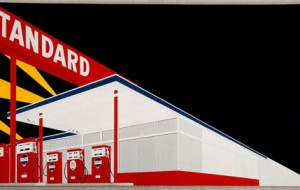
Dave Hickey has called us out. “It’s corny,” the critic told the New York Times, referring to Pacific Standard Time, L.A.’s current, Getty-funded initiative to canonize L.A.’s post-war art …
Looking at Los Angeles
Looking at Los Angeles | Lynda Benglis, The Anti-Kitchen Artist
Looking at Los Angeles
Looking at Los Angeles | Lynda Benglis, The Anti-Kitchen Artist
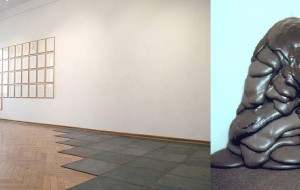
Once, when artists Liam Gillick and Sarah Morris had legendary minimalist Carl Andre over for dinner, Andre drank a bit much and let his tongue loose. To Morris, he said, …

Looking at Los Angeles
Looking at Los Angeles | Since When Is Red a Conservative Color?
Looking at Los Angeles
Looking at Los Angeles | Since When Is Red a Conservative Color?
At a meeting on Tuesday, July 12, officials in California’s Riverside County decided seceding from the rest of the state might not be such a good idea after all. The …
Looking at Los Angeles
Looking at Los Angeles | Barbara Kruger, Shafted and Shining
Looking at Los Angeles
Looking at Los Angeles | Barbara Kruger, Shafted and Shining
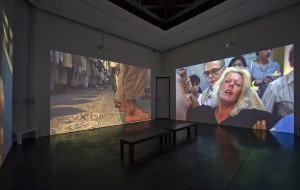
In 2008, when Eli Broad opened his big, brazen inaugural BCAM show on the Los Angeles County Museum’s Campus, Barbara Kruger (Season 1) was shafted, stuck accenting an elevator while …

Looking at Los Angeles
Looking at Los Angeles | Architects on Bicycles
Looking at Los Angeles
Looking at Los Angeles | Architects on Bicycles
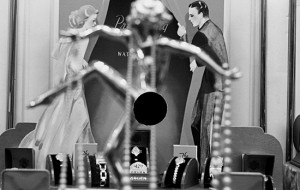
Reyner Banham, the British architectural historian whose blatant enthusiasm for Los Angeles nearly got him blacklisted in an era in which the cultured loved to hate this city, revered crisps, …
Looking at Los Angeles
Looking at Los Angeles: Killed Posterity
Looking at Los Angeles
Looking at Los Angeles: Killed Posterity
Roy Stryker, the man who ran the Historical Section of the Farm Security Administration (FSA) and sent some of the best-known 20th century photographers out on their first assignments, “didn’t …

Looking at Los Angeles
Looking at Los Angeles: Owning Robert Mapplethorpe
Looking at Los Angeles
Looking at Los Angeles: Owning Robert Mapplethorpe
“I don’t know why my pictures come out looking so good,” photographer Robert Mapplethorpe once told his brother. “I just don’t get it.” He had that innate knack for …

Looking at Los Angeles
Looking at Los Angeles: Big, Broad Bunker Hill
Looking at Los Angeles
Looking at Los Angeles: Big, Broad Bunker Hill
Eli Broad, Los Angeles’s most aggressive philanthropist, nearly always wears solid, primary colored ties. Last Thursday, he wore a red one to unveil the plan for his new museum on …

Looking at Los Angeles
Looking at Los Angeles: Seen and Felt
Looking at Los Angeles
Looking at Los Angeles: Seen and Felt
When I first encountered the warm voluptuousness of Mary Cassatt’s paintings, it annoyed me. Then I realized the artist had never married, living much of her life frequenting Paris salons, …

Looking at Los Angeles
The Architect, the Artist, and the House That’s Become a Star
Looking at Los Angeles
The Architect, the Artist, and the House That’s Become a Star
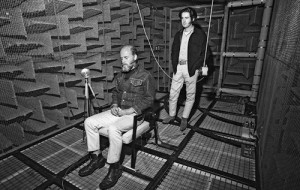
Catherine Wagley visits the famous Sheats-Goldstein House and considers the pop culture present of this fifty-year-old residence by architect John Lautner.

Looking at Los Angeles
Looking at Los Angeles | Being Difficult
Looking at Los Angeles
Looking at Los Angeles | Being Difficult
Llyn Foulkes “has never had nor seemed to want any conceptual smoothness.” Columnist Catherine Wagley on the maverick artist’s retrospective exhibition at the Hammer Museum.
Looking at Los Angeles
Looking at Los Angeles | Truth and Illusion, Pigeons and Freeways
Looking at Los Angeles
Looking at Los Angeles | Truth and Illusion, Pigeons and Freeways
Catherine Wagley details an L.A. artist’s Quixotic efforts to hack freeway signs using homing pigeons. But was any of it for real?
Looking at Los Angeles
Looking at Los Angeles | I Already Know I Exist: Ken Price at LACMA
Looking at Los Angeles
Looking at Los Angeles | I Already Know I Exist: Ken Price at LACMA
Catherine Wagley considers the role that personal biography plays–or doesn’t–in LACMA’s newly-opened “Ken Price Sculpture: A Retrospective.”
Looking at Los Angeles
Looking at Los Angeles | Anna Piaggi and the Summer One-Off
Looking at Los Angeles
Looking at Los Angeles | Anna Piaggi and the Summer One-Off
The writer and fashion icon Anna Piaggi, who died this week at 81, serves as a reminder that in art, as life, one-off gestures are often the most memorable ones.
Looking at Los Angeles
Looking at Los Angeles | The MOCA Debacle: What Does ‘Visually Stimulating’ Even Mean?
Looking at Los Angeles
Looking at Los Angeles | The MOCA Debacle: What Does ‘Visually Stimulating’ Even Mean?
Catherine Wagley on Paul Schimmel’s controversial departure from the Museum of Contemporary Art Los Angeles.
Looking at Los Angeles
Looking at Los Angeles | Anything but the Kitchen Sink
Looking at Los Angeles
Looking at Los Angeles | Anything but the Kitchen Sink
Catherine Wagley muses on family, history, and the relation of both in artworks by Patricia Fernandez and Kenyatta A.C. Hinkle in the Los Angeles Biennial.
Looking at Los Angeles
Looking at Los Angeles | And the Money Came Rolling In . . . Or Not
Looking at Los Angeles
Looking at Los Angeles | And the Money Came Rolling In . . . Or Not
When the display of a luxury car leads Catherine Wagley to mistake a performance festival for a fundraiser, the slippery relations between art and commerce become clear.
Looking at Los Angeles
Looking at Los Angeles | The Painter of Light is Radically Not Me
Looking at Los Angeles
Looking at Los Angeles | The Painter of Light is Radically Not Me
Catherine Wagley reflects on the passing of Thomas Kinkade, the infamously popular “Painter of Light” who pushed the idea of coziness to mind-numbing extremes.
Looking at Los Angeles
Looking at Los Angeles | A Wonderland That Wasn’t Meant to Be
Looking at Los Angeles
Looking at Los Angeles | A Wonderland That Wasn’t Meant to Be
Catherine Wagley reviews the group show “In Wonderland: The Surrealist Adventures of Women Artists in Mexico and the United States” on view now at LACMA.
Looking at Los Angeles
Looking at Los Angeles | Mike Kelley’s Elegance
Looking at Los Angeles
Looking at Los Angeles | Mike Kelley’s Elegance
Mike Kelley gained renown for his sprawling, mixed-media installations, but Catherine Wagley argues that Kelley’s oeuvre should also be remembered for its elegance.
Looking at Los Angeles
Looking at Los Angeles | Ladies of Old School L.A.
Looking at Los Angeles
Looking at Los Angeles | Ladies of Old School L.A.
Rampart, an “L.A. Noir” set for limited release the day before Thanksgiving, is a relentless film with a hero who’s impossible to love but a narrative thrust that forces …
Looking at Los Angeles
Looking at Los Angeles | Boosterism
Looking at Los Angeles
Looking at Los Angeles | Boosterism
Dave Hickey has called us out. “It’s corny,” the critic told the New York Times, referring to Pacific Standard Time, L.A.’s current, Getty-funded initiative to canonize L.A.’s post-war art …
Looking at Los Angeles
Looking at Los Angeles | Lynda Benglis, The Anti-Kitchen Artist
Looking at Los Angeles
Looking at Los Angeles | Lynda Benglis, The Anti-Kitchen Artist
Once, when artists Liam Gillick and Sarah Morris had legendary minimalist Carl Andre over for dinner, Andre drank a bit much and let his tongue loose. To Morris, he said, …
Looking at Los Angeles
Looking at Los Angeles | Since When Is Red a Conservative Color?
Looking at Los Angeles
Looking at Los Angeles | Since When Is Red a Conservative Color?
At a meeting on Tuesday, July 12, officials in California’s Riverside County decided seceding from the rest of the state might not be such a good idea after all. The …
Looking at Los Angeles
Looking at Los Angeles | Barbara Kruger, Shafted and Shining
Looking at Los Angeles
Looking at Los Angeles | Barbara Kruger, Shafted and Shining
In 2008, when Eli Broad opened his big, brazen inaugural BCAM show on the Los Angeles County Museum’s Campus, Barbara Kruger (Season 1) was shafted, stuck accenting an elevator while …
Looking at Los Angeles
Looking at Los Angeles | Architects on Bicycles
Looking at Los Angeles
Looking at Los Angeles | Architects on Bicycles
Reyner Banham, the British architectural historian whose blatant enthusiasm for Los Angeles nearly got him blacklisted in an era in which the cultured loved to hate this city, revered crisps, …
Looking at Los Angeles
Looking at Los Angeles: Killed Posterity
Looking at Los Angeles
Looking at Los Angeles: Killed Posterity
Roy Stryker, the man who ran the Historical Section of the Farm Security Administration (FSA) and sent some of the best-known 20th century photographers out on their first assignments, “didn’t …
Looking at Los Angeles
Looking at Los Angeles: Owning Robert Mapplethorpe
Looking at Los Angeles
Looking at Los Angeles: Owning Robert Mapplethorpe
“I don’t know why my pictures come out looking so good,” photographer Robert Mapplethorpe once told his brother. “I just don’t get it.” He had that innate knack for …
Looking at Los Angeles
Looking at Los Angeles: Big, Broad Bunker Hill
Looking at Los Angeles
Looking at Los Angeles: Big, Broad Bunker Hill
Eli Broad, Los Angeles’s most aggressive philanthropist, nearly always wears solid, primary colored ties. Last Thursday, he wore a red one to unveil the plan for his new museum on …
Looking at Los Angeles
Looking at Los Angeles: Seen and Felt
Looking at Los Angeles
Looking at Los Angeles: Seen and Felt
When I first encountered the warm voluptuousness of Mary Cassatt’s paintings, it annoyed me. Then I realized the artist had never married, living much of her life frequenting Paris salons, …
 Older
Older