Sustainable Architecture: Style vs. Substance

November 25th, 2009
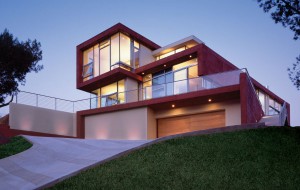
Stephen Kanner, Malibu 5 House, Malibu, CA, 2008

Stephen Kanner, Malibu 5 House, Malibu, CA, 2008

Sustainable architecture is in danger. This might sound like a surprising claim, given the fact that never before has “green” living been such a popular concept, nor has “eco-consciousness” been so en vogue. Yet the trendiness of green living is exactly what imperils it; as a trend, sustainability runs the risk of lapsing out of style, a fad that can go out of fashion as easily as it came in (if Brad Pitt’s interest in green architecture wanes, will ours?).

One of the greatest difficulties of discussing sustainable architecture is that there is no single definition of the idea to start with. Some groups characterize it as design which foregrounds energy efficiency as a concern, using passive solar design or alternative energy sources; some describe it as architecture that uses alternative materials, frequently local, recycled, or reclaimed; still others consider it to be building that highlights a general attitude of environmental consciousness. Obviously, such guidelines are fuzzy at best. My worry is that, given this laxity in defining sustainable design, we must resort to parameters most famously defined by Justice Potter Stewart in reference to pornography: when it comes to sustainable building, we might think we know it when we see it.

Take Stephen Kanner’s Malibu 5 house, for example. This 3,500-square-foot house, located in a posh Malibu neighborhood, faces the Pacific Ocean and features a number of sustainable elements—recycled materials; reduced energy consumption; passive heating and lighting using the sun as the primary source; and air conditioning from the California breeze. The roof is fitted with photovoltaic and solar panels to provide hot water and off-the-grid power. The structure’s two main volumes, both C-shaped in plan, are separated by a courtyard, and the interior spaces open on at least two sides to facilitate cross-ventilation. The home is wrapped in low-emittance, argon-filled windows to curtail heat loss and gain and to flood interiors with natural light.

So, sustainable indeed. But as much as Malibu 5 adheres to a commendable green program, it is also concerned—like much elite sustainable architecture under construction today—with announcing its sustainability through its appearance. It lets us know, with its minimalist forms, with its unornamented surfaces, with its geometric, modernist composition, that its inhabitants are as fashionable as the architecture they selected for their home (and I still can’t help but wonder what anyone does with 3,500 square feet of living space).

Continue reading »