
Articles by Richard McCoy

No Preservatives: Conversations about Conservation
No Preservatives | Happy (Belated) Birthday, Tony Smith!
No Preservatives: Conversations about Conservation
No Preservatives | Happy (Belated) Birthday, Tony Smith!
You can help document the work of sculptor Tony Smith and get a limited-edition t-shirt, too! Columnist Richard McCoy has the details.

No Preservatives: Conversations about Conservation
No Preservatives | Restored and Renewed: Milton Glaser’s 1975 Artwork, “Color Fuses”
No Preservatives: Conversations about Conservation
No Preservatives | Restored and Renewed: Milton Glaser’s 1975 Artwork, “Color Fuses”
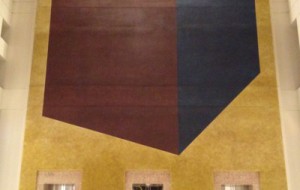
Mitlon Glaser’s 1975 art installation in Indianapolis, “Color Fuses,” recently underwent a dramatic restoration and can now be seen as the artist originally intended.
No Preservatives: Conversations about Conservation
No Preservatives | Jean Tinguely’s Last Major Artwork–20 Years Later
No Preservatives: Conversations about Conservation
No Preservatives | Jean Tinguely’s Last Major Artwork–20 Years Later
Richard McCoy looks at Jean Tinguely’s 1991 masterpiece “Cascade” in Charlotte, NC.
No Preservatives: Conversations about Conservation
No Preservatives | Looking Back to Nigeria: Ben Osaghae’s Critical Observations [Part III]
No Preservatives: Conversations about Conservation
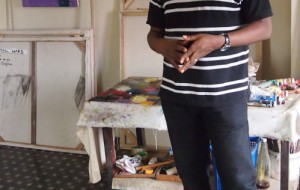
No Preservatives | Looking Back to Nigeria: Ben Osaghae’s Critical Observations [Part III]
In this five-part series, Richard McCoy looks back on his recent trip to Nigeria through the lens of artists working in the area.

No Preservatives: Conversations about Conservation
No Preservatives | Looking Back to Nigeria: The Center for Contemporary Art, Lagos [Part II]
No Preservatives: Conversations about Conservation
No Preservatives | Looking Back to Nigeria: The Center for Contemporary Art, Lagos [Part II]
In this five-part series, Richard McCoy looks back on his recent trip to Nigeria through the lens of artists working in the area.
No Preservatives: Conversations about Conservation
No Preservatives | Looking Back to Nigeria [Part I]
No Preservatives: Conversations about Conservation
No Preservatives | Looking Back to Nigeria [Part I]
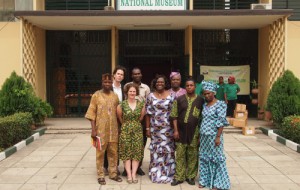
In this five-part series, Richard McCoy looks back on his recent trip to Nigeria through the lens of artists working in the area.
No Preservatives: Conversations about Conservation
No Preservatives | The Science and Ethics of Contemporary Art Conservation: A Discussion with Tom Learner
No Preservatives: Conversations about Conservation
No Preservatives | The Science and Ethics of Contemporary Art Conservation: A Discussion with Tom Learner
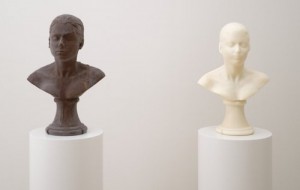
Richard McCoy talks to Tom Learner, senior scientist at the Getty Conservation Institute, whose career has spanned a number of important institutions and projects.
No Preservatives: Conversations about Conservation
No Preservatives | The Top Ten U.S. Online Contemporary Conservation Projects from 2011
No Preservatives: Conversations about Conservation
No Preservatives | The Top Ten U.S. Online Contemporary Conservation Projects from 2011
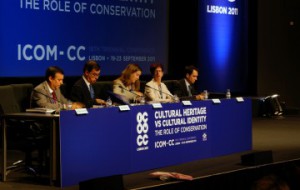
IMA art conservator Richard McCoy lists his top ten U.S. contemporary conservation projects from 2011.
No Preservatives: Conversations about Conservation
No Preservatives | The State of Affairs in the Conservation of Contemporary Art
No Preservatives: Conversations about Conservation
No Preservatives | The State of Affairs in the Conservation of Contemporary Art
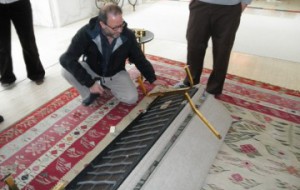
IMA Conservator Richard McCoy looks back at two international conferences that dealt with the conservation of contemporary art.
No Preservatives: Conversations about Conservation
No Preservatives | Following the Eames Legacy: A Discussion with Daniel Ostroff [Part II]
No Preservatives: Conversations about Conservation
No Preservatives | Following the Eames Legacy: A Discussion with Daniel Ostroff [Part II]
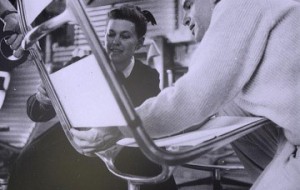
Richard McCoy and Tricia Gilson talk with Eames expert Daniel Ostroff about his ongoing work in studying, collecting, and exhibiting the designs of Charles and Ray Eames [Part II].
No Preservatives: Conversations about Conservation
No Preservatives | Following the Eames Legacy: A Discussion with Daniel Ostroff [Part I]
No Preservatives: Conversations about Conservation
No Preservatives | Following the Eames Legacy: A Discussion with Daniel Ostroff [Part I]
Richard McCoy and Tricia Gilson talk with Eames expert Daniel Ostroff about his ongoing work in study, collecting, and exhibiting the designs of Charles and Ray Eames [Part I].

No Preservatives: Conversations about Conservation
No Preservatives | Making Work: A Continued Discussion with Jeff Jamieson
No Preservatives: Conversations about Conservation
No Preservatives | Making Work: A Continued Discussion with Jeff Jamieson
Artist Jeff Jamieson talks with IMA Conservator Richard McCoy about working with Robert Irwin and other artists.
No Preservatives: Conversations about Conservation
No Preservatives | Preservation, Perfection, and Patina: Jeff Jamieson Discusses the Fabrication of Donald Judd’s Wood Furniture
No Preservatives: Conversations about Conservation
No Preservatives | Preservation, Perfection, and Patina: Jeff Jamieson Discusses the Fabrication of Donald Judd’s Wood Furniture
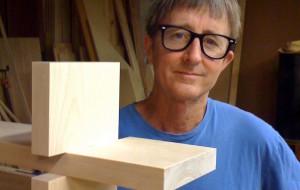
Jeff Jamieson talks about his history of making Judd Furniture with IMA conservator Richard McCoy.
No Preservatives: Conversations about Conservation
No Preservatives | Preservation, Perfection, and Patina: Eleonora Nagy Discusses Conserving Judd’s Art
No Preservatives: Conversations about Conservation
No Preservatives | Preservation, Perfection, and Patina: Eleonora Nagy Discusses Conserving Judd’s Art
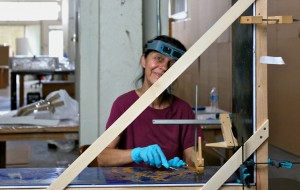
Art conservator Eleonora Nagy talks about her historic relationship with the conservation of Donald Judd’s artworks with IMA conservator Richard McCoy.
No Preservatives: Conversations about Conservation
No Preservatives | “Chaos 1” Returns to Life
No Preservatives: Conversations about Conservation
No Preservatives | “Chaos 1” Returns to Life
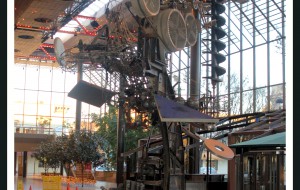
IMA art conservator Richard McCoy talks about the return of Jean Tinguely’s 1974 masterpiece “Chaos 1” in Columbus, Indiana.
No Preservatives: Conversations about Conservation
Exploring the Freedom to Re-Present Value: A Discussion with Theaster Gates
No Preservatives: Conversations about Conservation
Exploring the Freedom to Re-Present Value: A Discussion with Theaster Gates
IMA art conservator Richard McCoy talks with artist Theaster Gates about Thornton Dial in relations to Gate’s art practice in

No Preservatives: Conversations about Conservation
No Preservatives | Looking at LARGE SCALE; A Conversation with Jonathan Lippincott
No Preservatives: Conversations about Conservation
No Preservatives | Looking at LARGE SCALE; A Conversation with Jonathan Lippincott
IMA art conservator Richard McCoy talks with Jonathan Lippincott about his new book, “LARGE SCALE: Fabricating Sculpture in the 1960s and 1970s.”
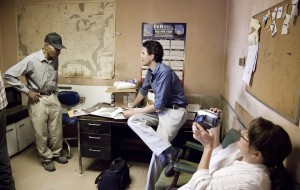
No Preservatives: Conversations about Conservation
No Preservatives: Getting to Know Thornton Dial
No Preservatives: Conversations about Conservation
No Preservatives: Getting to Know Thornton Dial
IMA conservator Richard McCoy talks about his experience working on Hard Truths: The Art of Thornton Dial.

No Preservatives: Conversations about Conservation
No Preservatives | Richard McCoy’s Top 10 iPhone Images
No Preservatives: Conversations about Conservation
No Preservatives | Richard McCoy’s Top 10 iPhone Images
In 2010 I took more than 3,300 pictures and videos with my iPhone. No matter where I am, I have the thing with me; it’s terribly useful, occasionally entertaining, and …

No Preservatives: Conversations about Conservation
No Preservatives | A Fresh Path at the Met: A Discussion with Kendra E. Roth
No Preservatives: Conversations about Conservation
No Preservatives | A Fresh Path at the Met: A Discussion with Kendra E. Roth
Indianapolis Museum of Art conservator speaks with Metropolitan Museum conservator Kendra Roth about ancient chariots, fish, and kinetic sculptures, among other things.
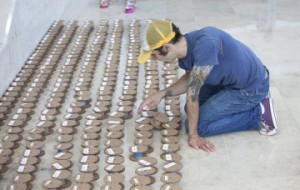
No Preservatives: Conversations about Conservation
Considering Gravity’s Loom: A Discussion with Ball-Nogues
No Preservatives: Conversations about Conservation
Considering Gravity’s Loom: A Discussion with Ball-Nogues
IMA art conservator Richard McCoy talks with the Benjamin Ball and Gaston Nogues (Ball-Nogues Studio) about their recent installation, Gravity’s Loom, at the Indianapolis Museum of Art.
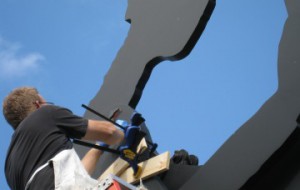
No Preservatives: Conversations about Conservation
Caring for Outdoor Sculptures: A Conversation with John Campbell
No Preservatives: Conversations about Conservation
Caring for Outdoor Sculptures: A Conversation with John Campbell
IMA Conservator Richard McCoy finds out what John Campbell has been up to at the Nasher Sculpture Center.

No Preservatives: Conversations about Conservation
Contemporary Art: Who Cares? A Discussion with Karen te Brake-Baldock
No Preservatives: Conversations about Conservation
Contemporary Art: Who Cares? A Discussion with Karen te Brake-Baldock
IMA Art Conservator Richard McCoy talks to INCCA Central Coordinator Karen te Brake-Baldock about the recent international symposium Contemporary Art: Who Cares? Research and Practices in Contemporary Art Conservation.

No Preservatives: Conversations about Conservation
Looking Back Through 100 Acres
No Preservatives: Conversations about Conservation
Looking Back Through 100 Acres
IMA art conservator Richard McCoy looks back at the documentation around the projects in 100 Acres: The Virginia B. Fairbanks Art and Nature Park before it opens this weekend.

No Preservatives: Conversations about Conservation
Caring for What’s Living: a Discussion with Norah Fletchall
No Preservatives: Conversations about Conservation
Caring for What’s Living: a Discussion with Norah Fletchall
Indianapolis Museum of Art conservator Richard McCoy talks with Indianapolis Zoo conservator Norah Fletchall about ways in which their professional lives intersect.
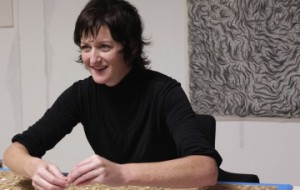
No Preservatives: Conversations about Conservation
Prelude: A Discussion with Tara Donovan
No Preservatives: Conversations about Conservation
Prelude: A Discussion with Tara Donovan
IMA Conservator Richard McCoy and SFMoMA Conservator Jill Sterrett talk to Tara Donovan about her new exhibition at the Indianapolis Museum of Art.

No Preservatives: Conversations about Conservation
Cultural Landscapes, Aesthetics, and Tigers: A Conversation with Mitchell Hearns Bishop
No Preservatives: Conversations about Conservation
Cultural Landscapes, Aesthetics, and Tigers: A Conversation with Mitchell Hearns Bishop
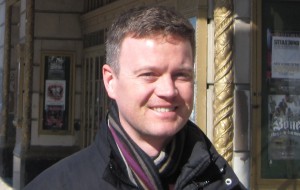
IMA art conservator Richard McCoy speaks with L.A. Arboretum curator Mitchell Hearns Bishop about cultural landscapes within the context of aesthetics and even tigers.
No Preservatives: Conversations about Conservation
Collaborations in Conserving Time-Based Art: a Conversation and a Colloquium
No Preservatives: Conversations about Conservation
Collaborations in Conserving Time-Based Art: a Conversation and a Colloquium
IMA conservator Richard McCoy talks with Jeff Martin, who organized the upcoming colloquium “Collaborations in Conserving Time-Based Art” (March 17th and 18th at the Hirshhorn).

No Preservatives: Conversations about Conservation
Examining Roles and Investigating Responses; a Conversation with Rebecca Uchill
No Preservatives: Conversations about Conservation
Examining Roles and Investigating Responses; a Conversation with Rebecca Uchill
IMA conservator Richard McCoy talks with former IMA curator and current MIT PhD student Rebecca Uchill about the creation of the IMA’s Variable Art Team and the evolving roles of those that care for contemporary art.
No Preservatives: Conversations about Conservation
The Ethics of Dust: A Conversation with Jorge Otero-Pailos
No Preservatives: Conversations about Conservation
The Ethics of Dust: A Conversation with Jorge Otero-Pailos
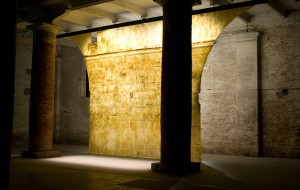
IMA art conservator Richard McCoy discusses the installation “The Ethics of Dust” with Columbia University professor & architect Jorge Otero-Pailos.
No Preservatives: Conversations about Conservation
International Design Conservation: A Discussion with Tim Bechthold
No Preservatives: Conversations about Conservation
International Design Conservation: A Discussion with Tim Bechthold
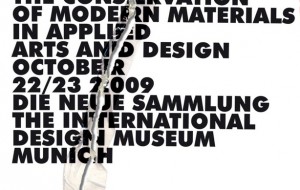
IMA art conservator Richard McCoy talks with Die Neue Sammlung conservator Tim Bechthold about conserving design arts.
No Preservatives: Conversations about Conservation
Concepts Around Interviewing Artists: a Discussion with Glenn Wharton
No Preservatives: Conversations about Conservation
Concepts Around Interviewing Artists: a Discussion with Glenn Wharton
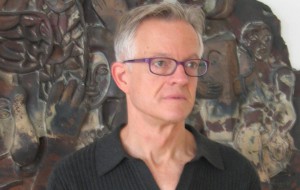
IMA conservator Richard McCoy discusses the methodology and the process of interviewing artists with MoMA conservator Glenn Wharton.
No Preservatives: Conversations about Conservation
Imaging Conservation at the Guggenheim: A Discussion with Carol Stringari
No Preservatives: Conversations about Conservation
Imaging Conservation at the Guggenheim: A Discussion with Carol Stringari
IMA art conservator talks with Carol Stringari, the Chief Conservator at the Solomon R. Guggenheim Museum.
No Preservatives: Conversations about Conservation
No Preservatives | Happy (Belated) Birthday, Tony Smith!
No Preservatives: Conversations about Conservation
No Preservatives | Happy (Belated) Birthday, Tony Smith!
You can help document the work of sculptor Tony Smith and get a limited-edition t-shirt, too! Columnist Richard McCoy has the details.
No Preservatives: Conversations about Conservation
No Preservatives | Restored and Renewed: Milton Glaser’s 1975 Artwork, “Color Fuses”
No Preservatives: Conversations about Conservation
No Preservatives | Restored and Renewed: Milton Glaser’s 1975 Artwork, “Color Fuses”
Mitlon Glaser’s 1975 art installation in Indianapolis, “Color Fuses,” recently underwent a dramatic restoration and can now be seen as the artist originally intended.
No Preservatives: Conversations about Conservation
No Preservatives | Jean Tinguely’s Last Major Artwork–20 Years Later
No Preservatives: Conversations about Conservation
No Preservatives | Jean Tinguely’s Last Major Artwork–20 Years Later
Richard McCoy looks at Jean Tinguely’s 1991 masterpiece “Cascade” in Charlotte, NC.
No Preservatives: Conversations about Conservation
No Preservatives | Looking Back to Nigeria: Ben Osaghae’s Critical Observations [Part III]
No Preservatives: Conversations about Conservation
No Preservatives | Looking Back to Nigeria: Ben Osaghae’s Critical Observations [Part III]
In this five-part series, Richard McCoy looks back on his recent trip to Nigeria through the lens of artists working in the area.
No Preservatives: Conversations about Conservation
No Preservatives | Looking Back to Nigeria: The Center for Contemporary Art, Lagos [Part II]
No Preservatives: Conversations about Conservation
No Preservatives | Looking Back to Nigeria: The Center for Contemporary Art, Lagos [Part II]
In this five-part series, Richard McCoy looks back on his recent trip to Nigeria through the lens of artists working in the area.
No Preservatives: Conversations about Conservation
No Preservatives | Looking Back to Nigeria [Part I]
No Preservatives: Conversations about Conservation
No Preservatives | Looking Back to Nigeria [Part I]
In this five-part series, Richard McCoy looks back on his recent trip to Nigeria through the lens of artists working in the area.
No Preservatives: Conversations about Conservation
No Preservatives | The Science and Ethics of Contemporary Art Conservation: A Discussion with Tom Learner
No Preservatives: Conversations about Conservation
No Preservatives | The Science and Ethics of Contemporary Art Conservation: A Discussion with Tom Learner
Richard McCoy talks to Tom Learner, senior scientist at the Getty Conservation Institute, whose career has spanned a number of important institutions and projects.
No Preservatives: Conversations about Conservation
No Preservatives | The Top Ten U.S. Online Contemporary Conservation Projects from 2011
No Preservatives: Conversations about Conservation
No Preservatives | The Top Ten U.S. Online Contemporary Conservation Projects from 2011
IMA art conservator Richard McCoy lists his top ten U.S. contemporary conservation projects from 2011.
No Preservatives: Conversations about Conservation
No Preservatives | The State of Affairs in the Conservation of Contemporary Art
No Preservatives: Conversations about Conservation
No Preservatives | The State of Affairs in the Conservation of Contemporary Art
IMA Conservator Richard McCoy looks back at two international conferences that dealt with the conservation of contemporary art.
No Preservatives: Conversations about Conservation
No Preservatives | Following the Eames Legacy: A Discussion with Daniel Ostroff [Part II]
No Preservatives: Conversations about Conservation
No Preservatives | Following the Eames Legacy: A Discussion with Daniel Ostroff [Part II]
Richard McCoy and Tricia Gilson talk with Eames expert Daniel Ostroff about his ongoing work in studying, collecting, and exhibiting the designs of Charles and Ray Eames [Part II].
No Preservatives: Conversations about Conservation
No Preservatives | Following the Eames Legacy: A Discussion with Daniel Ostroff [Part I]
No Preservatives: Conversations about Conservation
No Preservatives | Following the Eames Legacy: A Discussion with Daniel Ostroff [Part I]
Richard McCoy and Tricia Gilson talk with Eames expert Daniel Ostroff about his ongoing work in study, collecting, and exhibiting the designs of Charles and Ray Eames [Part I].
No Preservatives: Conversations about Conservation
No Preservatives | Making Work: A Continued Discussion with Jeff Jamieson
No Preservatives: Conversations about Conservation
No Preservatives | Making Work: A Continued Discussion with Jeff Jamieson
Artist Jeff Jamieson talks with IMA Conservator Richard McCoy about working with Robert Irwin and other artists.
No Preservatives: Conversations about Conservation
No Preservatives | Preservation, Perfection, and Patina: Jeff Jamieson Discusses the Fabrication of Donald Judd’s Wood Furniture
No Preservatives: Conversations about Conservation
No Preservatives | Preservation, Perfection, and Patina: Jeff Jamieson Discusses the Fabrication of Donald Judd’s Wood Furniture
Jeff Jamieson talks about his history of making Judd Furniture with IMA conservator Richard McCoy.
No Preservatives: Conversations about Conservation
No Preservatives | Preservation, Perfection, and Patina: Eleonora Nagy Discusses Conserving Judd’s Art
No Preservatives: Conversations about Conservation
No Preservatives | Preservation, Perfection, and Patina: Eleonora Nagy Discusses Conserving Judd’s Art
Art conservator Eleonora Nagy talks about her historic relationship with the conservation of Donald Judd’s artworks with IMA conservator Richard McCoy.
No Preservatives: Conversations about Conservation
No Preservatives | “Chaos 1” Returns to Life
No Preservatives: Conversations about Conservation
No Preservatives | “Chaos 1” Returns to Life
IMA art conservator Richard McCoy talks about the return of Jean Tinguely’s 1974 masterpiece “Chaos 1” in Columbus, Indiana.
No Preservatives: Conversations about Conservation
Exploring the Freedom to Re-Present Value: A Discussion with Theaster Gates
No Preservatives: Conversations about Conservation
Exploring the Freedom to Re-Present Value: A Discussion with Theaster Gates
IMA art conservator Richard McCoy talks with artist Theaster Gates about Thornton Dial in relations to Gate’s art practice in
No Preservatives: Conversations about Conservation
No Preservatives | Looking at LARGE SCALE; A Conversation with Jonathan Lippincott
No Preservatives: Conversations about Conservation
No Preservatives | Looking at LARGE SCALE; A Conversation with Jonathan Lippincott
IMA art conservator Richard McCoy talks with Jonathan Lippincott about his new book, “LARGE SCALE: Fabricating Sculpture in the 1960s and 1970s.”
No Preservatives: Conversations about Conservation
No Preservatives: Getting to Know Thornton Dial
No Preservatives: Conversations about Conservation
No Preservatives: Getting to Know Thornton Dial
IMA conservator Richard McCoy talks about his experience working on Hard Truths: The Art of Thornton Dial.
No Preservatives: Conversations about Conservation
No Preservatives | Richard McCoy’s Top 10 iPhone Images
No Preservatives: Conversations about Conservation
No Preservatives | Richard McCoy’s Top 10 iPhone Images
In 2010 I took more than 3,300 pictures and videos with my iPhone. No matter where I am, I have the thing with me; it’s terribly useful, occasionally entertaining, and …
No Preservatives: Conversations about Conservation
No Preservatives | A Fresh Path at the Met: A Discussion with Kendra E. Roth
No Preservatives: Conversations about Conservation
No Preservatives | A Fresh Path at the Met: A Discussion with Kendra E. Roth
Indianapolis Museum of Art conservator speaks with Metropolitan Museum conservator Kendra Roth about ancient chariots, fish, and kinetic sculptures, among other things.
No Preservatives: Conversations about Conservation
Considering Gravity’s Loom: A Discussion with Ball-Nogues
No Preservatives: Conversations about Conservation
Considering Gravity’s Loom: A Discussion with Ball-Nogues
IMA art conservator Richard McCoy talks with the Benjamin Ball and Gaston Nogues (Ball-Nogues Studio) about their recent installation, Gravity’s Loom, at the Indianapolis Museum of Art.
No Preservatives: Conversations about Conservation
Caring for Outdoor Sculptures: A Conversation with John Campbell
No Preservatives: Conversations about Conservation
Caring for Outdoor Sculptures: A Conversation with John Campbell
IMA Conservator Richard McCoy finds out what John Campbell has been up to at the Nasher Sculpture Center.
No Preservatives: Conversations about Conservation
Contemporary Art: Who Cares? A Discussion with Karen te Brake-Baldock
No Preservatives: Conversations about Conservation
Contemporary Art: Who Cares? A Discussion with Karen te Brake-Baldock
IMA Art Conservator Richard McCoy talks to INCCA Central Coordinator Karen te Brake-Baldock about the recent international symposium Contemporary Art: Who Cares? Research and Practices in Contemporary Art Conservation.
No Preservatives: Conversations about Conservation
Looking Back Through 100 Acres
No Preservatives: Conversations about Conservation
Looking Back Through 100 Acres
IMA art conservator Richard McCoy looks back at the documentation around the projects in 100 Acres: The Virginia B. Fairbanks Art and Nature Park before it opens this weekend.
No Preservatives: Conversations about Conservation
Caring for What’s Living: a Discussion with Norah Fletchall
No Preservatives: Conversations about Conservation
Caring for What’s Living: a Discussion with Norah Fletchall
Indianapolis Museum of Art conservator Richard McCoy talks with Indianapolis Zoo conservator Norah Fletchall about ways in which their professional lives intersect.
No Preservatives: Conversations about Conservation
Prelude: A Discussion with Tara Donovan
No Preservatives: Conversations about Conservation
Prelude: A Discussion with Tara Donovan
IMA Conservator Richard McCoy and SFMoMA Conservator Jill Sterrett talk to Tara Donovan about her new exhibition at the Indianapolis Museum of Art.
No Preservatives: Conversations about Conservation
Cultural Landscapes, Aesthetics, and Tigers: A Conversation with Mitchell Hearns Bishop
No Preservatives: Conversations about Conservation
Cultural Landscapes, Aesthetics, and Tigers: A Conversation with Mitchell Hearns Bishop
IMA art conservator Richard McCoy speaks with L.A. Arboretum curator Mitchell Hearns Bishop about cultural landscapes within the context of aesthetics and even tigers.
No Preservatives: Conversations about Conservation
Collaborations in Conserving Time-Based Art: a Conversation and a Colloquium
No Preservatives: Conversations about Conservation
Collaborations in Conserving Time-Based Art: a Conversation and a Colloquium
IMA conservator Richard McCoy talks with Jeff Martin, who organized the upcoming colloquium “Collaborations in Conserving Time-Based Art” (March 17th and 18th at the Hirshhorn).
No Preservatives: Conversations about Conservation
Examining Roles and Investigating Responses; a Conversation with Rebecca Uchill
No Preservatives: Conversations about Conservation
Examining Roles and Investigating Responses; a Conversation with Rebecca Uchill
IMA conservator Richard McCoy talks with former IMA curator and current MIT PhD student Rebecca Uchill about the creation of the IMA’s Variable Art Team and the evolving roles of those that care for contemporary art.
No Preservatives: Conversations about Conservation
The Ethics of Dust: A Conversation with Jorge Otero-Pailos
No Preservatives: Conversations about Conservation
The Ethics of Dust: A Conversation with Jorge Otero-Pailos
IMA art conservator Richard McCoy discusses the installation “The Ethics of Dust” with Columbia University professor & architect Jorge Otero-Pailos.
No Preservatives: Conversations about Conservation
International Design Conservation: A Discussion with Tim Bechthold
No Preservatives: Conversations about Conservation
International Design Conservation: A Discussion with Tim Bechthold
IMA art conservator Richard McCoy talks with Die Neue Sammlung conservator Tim Bechthold about conserving design arts.
No Preservatives: Conversations about Conservation
Concepts Around Interviewing Artists: a Discussion with Glenn Wharton
No Preservatives: Conversations about Conservation
Concepts Around Interviewing Artists: a Discussion with Glenn Wharton
IMA conservator Richard McCoy discusses the methodology and the process of interviewing artists with MoMA conservator Glenn Wharton.
No Preservatives: Conversations about Conservation
Imaging Conservation at the Guggenheim: A Discussion with Carol Stringari
No Preservatives: Conversations about Conservation
Imaging Conservation at the Guggenheim: A Discussion with Carol Stringari
IMA art conservator talks with Carol Stringari, the Chief Conservator at the Solomon R. Guggenheim Museum.
 Older
Older