Articles by Wesley Miller
Art21 New York Close Up
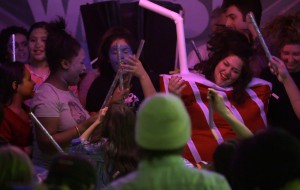
Welcome to Whoop Dee Doo! (with Matt Roche & Jaimie Warren Too)
Art21 New York Close Up
Welcome to Whoop Dee Doo! (with Matt Roche & Jaimie Warren Too)
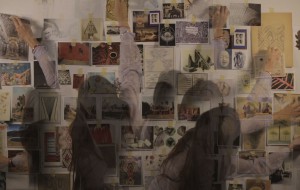
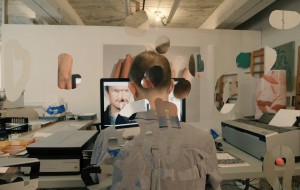
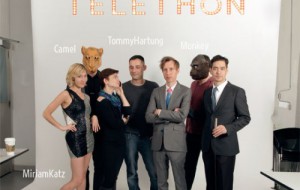
In a new “New York Close Up” film, artists Jaimie Warren and Matt Roche produce a one-day-only performance of their variety show, Whoop Dee Doo, at Abrons Arts Center.
Art21 New York Close Up
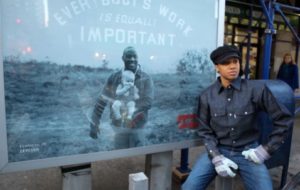
Premiere of LaToya Ruby Frazier’s First Film!
Art21 New York Close Up
Premiere of LaToya Ruby Frazier’s First Film!
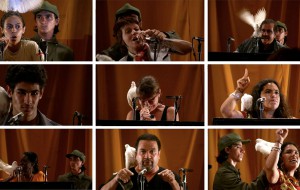
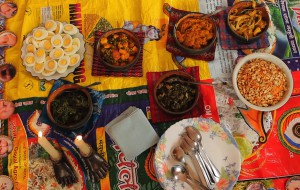
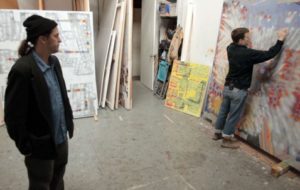
In addition to being LaToya’s first documentary film, it features her first performance—which we’re honored to have had the privilege to document. Watch it here: “LaToya Ruby Frazier Takes on …
Art21 Extended Play
Hiroshi Sugimoto: Becoming an Artist
Art21 Extended Play
Hiroshi Sugimoto: Becoming an Artist
SUBSCRIBE TO EXCLUSIVE: RSS | ITUNES | YOUTUBE | ARTBABBLE Episode #141: Filmed in his New York studio, artist Hiroshi Sugimoto recounts his student days studying Western philosophy (Hegel, Kant, …
Art21 Extended Play
Hiroshi Sugimoto: Cabinet of Curiosities
Art21 Extended Play
Hiroshi Sugimoto: Cabinet of Curiosities
SUBSCRIBE TO EXCLUSIVE: RSS | ITUNES | YOUTUBE | ARTBABBLE Episode #135: Filmed in his New York studio, artist Hiroshi Sugimoto gives a tour of his private cabinet of curiosities …
Art21 Extended Play
Krzysztof Wodiczko: Designer Adam Whiton
Art21 Extended Play
Krzysztof Wodiczko: Designer Adam Whiton
SUBSCRIBE TO EXCLUSIVE: RSS | ITUNES | YOUTUBE | ARTBABBLE Episode #133: Filmed at the Interrogative Design Group offices at MIT in Cambridge, Massachusetts, designer Adam Whiton discusses his work …
Art21 Extended Play
Paul McCarthy: Art & Entertainment
Art21 Extended Play
Paul McCarthy: Art & Entertainment
SUBSCRIBE TO EXCLUSIVE: RSS | ITUNES | YOUTUBE | ARTBABBLE Episode #132: Filmed in his Los Angeles studio alongside his son and frequent collaborator Damon McCarthy, artist Paul McCarthy reflects …
Art21 Extended Play
Beryl Korot: “Text and Commentary”
Art21 Extended Play
Beryl Korot: “Text and Commentary”
SUBSCRIBE TO EXCLUSIVE: ITUNES | YOUTUBE | BLIP.TV | ARTBABBLE Episode #131: Featuring excerpts from her groundbreaking video installation Text and Commentary (1977), artist Beryl Korot discusses how information has …
Art21 Extended Play
William Kentridge: “The Nose” Opera Curtain
Art21 Extended Play
William Kentridge: “The Nose” Opera Curtain
SUBSCRIBE TO EXCLUSIVE: RSS | ITUNES | YOUTUBE | ARTBABBLE IT’S OPENING NIGHT! In celebration of Art21’s forthcoming feature film William Kentridge: Anything is Possible — premiering tonight, October 21, …
Art21 Extended Play
William Kentridge: Weaver Marguerite Stephens
Art21 Extended Play
William Kentridge: Weaver Marguerite Stephens
SUBSCRIBE TO EXCLUSIVE: RSS | ITUNES | YOUTUBE | ARTBABBLE In celebration of Art21’s forthcoming feature film William Kentridge: Anything Is Possible — premiering October 21, 2010 at 10:00 p.m. …
Art21 Extended Play
William Kentridge: Composer Philip Miller
Art21 Extended Play
William Kentridge: Composer Philip Miller
SUBSCRIBE TO EXCLUSIVE: RSS | ITUNES | YOUTUBE | ARTBABBLE In celebration of Art21’s forthcoming feature film William Kentridge: Anything Is Possible — premiering October 21, 2010 at 10:00 p.m. …
Art21 Extended Play
William Kentridge: Peter Gelb, The Metropolitan Opera
Art21 Extended Play
William Kentridge: Peter Gelb, The Metropolitan Opera
SUBSCRIBE TO EXCLUSIVE: RSS | ITUNES | YOUTUBE | ARTBABBLE In celebration of Art21’s forthcoming feature film William Kentridge: Anything is Possible — premiering October 21, 2010 at 10:00 p.m. …
Art21 Extended Play
Allan McCollum: “Plaster Surrogates” & “Surrogate Paintings”
Art21 Extended Play
Allan McCollum: “Plaster Surrogates” & “Surrogate Paintings”
SUBSCRIBE TO EXCLUSIVE: RSS | ITUNES | YOUTUBE | ARTBABBLE Episode #120: Filmed in his Brooklyn studio, Allan McCollum discusses his Surrogate Paintings (begun in 1978) and Plaster Surrogates (begun …
Art21 Extended Play
Laylah Ali: Choreographer Dean Moss
Art21 Extended Play
Laylah Ali: Choreographer Dean Moss
SUBSCRIBE TO EXCLUSIVE: RSS | ITUNES | YOUTUBE | ARTBABBLE Episode #118: Dancer/choreographer Dean Moss discusses his collaboration with visual artist Laylah Ali, entitled figures on a field (2005). This …
Art21 Extended Play
Mary Heilmann: Abstract Painting
Art21 Extended Play
Mary Heilmann: Abstract Painting
SUBSCRIBE TO EXCLUSIVE: RSS | ITUNES | YOUTUBE | ARTBABBLE Episode #116: Mary Heilmann describes a breakthrough she had of combining gestural and hard-edge abstracton in a single painting, combining …
Art21 New York Close Up
Welcome to Whoop Dee Doo! (with Matt Roche & Jaimie Warren Too)
Art21 New York Close Up
Welcome to Whoop Dee Doo! (with Matt Roche & Jaimie Warren Too)
In a new “New York Close Up” film, artists Jaimie Warren and Matt Roche produce a one-day-only performance of their variety show, Whoop Dee Doo, at Abrons Arts Center.
Art21 New York Close Up
Premiere of LaToya Ruby Frazier’s First Film!
Art21 New York Close Up
Premiere of LaToya Ruby Frazier’s First Film!
In addition to being LaToya’s first documentary film, it features her first performance—which we’re honored to have had the privilege to document. Watch it here: “LaToya Ruby Frazier Takes on …
Art21 Extended Play
Hiroshi Sugimoto: Becoming an Artist
Art21 Extended Play
Hiroshi Sugimoto: Becoming an Artist
SUBSCRIBE TO EXCLUSIVE: RSS | ITUNES | YOUTUBE | ARTBABBLE Episode #141: Filmed in his New York studio, artist Hiroshi Sugimoto recounts his student days studying Western philosophy (Hegel, Kant, …
Art21 Extended Play
Hiroshi Sugimoto: Cabinet of Curiosities
Art21 Extended Play
Hiroshi Sugimoto: Cabinet of Curiosities
SUBSCRIBE TO EXCLUSIVE: RSS | ITUNES | YOUTUBE | ARTBABBLE Episode #135: Filmed in his New York studio, artist Hiroshi Sugimoto gives a tour of his private cabinet of curiosities …
Art21 Extended Play
Krzysztof Wodiczko: Designer Adam Whiton
Art21 Extended Play
Krzysztof Wodiczko: Designer Adam Whiton
SUBSCRIBE TO EXCLUSIVE: RSS | ITUNES | YOUTUBE | ARTBABBLE Episode #133: Filmed at the Interrogative Design Group offices at MIT in Cambridge, Massachusetts, designer Adam Whiton discusses his work …
Art21 Extended Play
Paul McCarthy: Art & Entertainment
Art21 Extended Play
Paul McCarthy: Art & Entertainment
SUBSCRIBE TO EXCLUSIVE: RSS | ITUNES | YOUTUBE | ARTBABBLE Episode #132: Filmed in his Los Angeles studio alongside his son and frequent collaborator Damon McCarthy, artist Paul McCarthy reflects …
Art21 Extended Play
Beryl Korot: “Text and Commentary”
Art21 Extended Play
Beryl Korot: “Text and Commentary”
SUBSCRIBE TO EXCLUSIVE: ITUNES | YOUTUBE | BLIP.TV | ARTBABBLE Episode #131: Featuring excerpts from her groundbreaking video installation Text and Commentary (1977), artist Beryl Korot discusses how information has …
Art21 Extended Play
William Kentridge: “The Nose” Opera Curtain
Art21 Extended Play
William Kentridge: “The Nose” Opera Curtain
SUBSCRIBE TO EXCLUSIVE: RSS | ITUNES | YOUTUBE | ARTBABBLE IT’S OPENING NIGHT! In celebration of Art21’s forthcoming feature film William Kentridge: Anything is Possible — premiering tonight, October 21, …
Art21 Extended Play
William Kentridge: Weaver Marguerite Stephens
Art21 Extended Play
William Kentridge: Weaver Marguerite Stephens
SUBSCRIBE TO EXCLUSIVE: RSS | ITUNES | YOUTUBE | ARTBABBLE In celebration of Art21’s forthcoming feature film William Kentridge: Anything Is Possible — premiering October 21, 2010 at 10:00 p.m. …
Art21 Extended Play
William Kentridge: Composer Philip Miller
Art21 Extended Play
William Kentridge: Composer Philip Miller
SUBSCRIBE TO EXCLUSIVE: RSS | ITUNES | YOUTUBE | ARTBABBLE In celebration of Art21’s forthcoming feature film William Kentridge: Anything Is Possible — premiering October 21, 2010 at 10:00 p.m. …
Art21 Extended Play
William Kentridge: Peter Gelb, The Metropolitan Opera
Art21 Extended Play
William Kentridge: Peter Gelb, The Metropolitan Opera
SUBSCRIBE TO EXCLUSIVE: RSS | ITUNES | YOUTUBE | ARTBABBLE In celebration of Art21’s forthcoming feature film William Kentridge: Anything is Possible — premiering October 21, 2010 at 10:00 p.m. …
Art21 Extended Play
Allan McCollum: “Plaster Surrogates” & “Surrogate Paintings”
Art21 Extended Play
Allan McCollum: “Plaster Surrogates” & “Surrogate Paintings”
SUBSCRIBE TO EXCLUSIVE: RSS | ITUNES | YOUTUBE | ARTBABBLE Episode #120: Filmed in his Brooklyn studio, Allan McCollum discusses his Surrogate Paintings (begun in 1978) and Plaster Surrogates (begun …
Art21 Extended Play
Laylah Ali: Choreographer Dean Moss
Art21 Extended Play
Laylah Ali: Choreographer Dean Moss
SUBSCRIBE TO EXCLUSIVE: RSS | ITUNES | YOUTUBE | ARTBABBLE Episode #118: Dancer/choreographer Dean Moss discusses his collaboration with visual artist Laylah Ali, entitled figures on a field (2005). This …
Art21 Extended Play
Mary Heilmann: Abstract Painting
Art21 Extended Play
Mary Heilmann: Abstract Painting
SUBSCRIBE TO EXCLUSIVE: RSS | ITUNES | YOUTUBE | ARTBABBLE Episode #116: Mary Heilmann describes a breakthrough she had of combining gestural and hard-edge abstracton in a single painting, combining …
 Older
Older